The genius of Gustave Eiffel cannot be reduced to a single tower. Beyond Paris’s most famous landmarks lies a more discreet yet equally remarkable work where engineering meets the art of live performance. Paradis Latin stands among these lesser known creations that reveal a more intimate and human dimension of Eiffel’s vision. At the crossroads of architecture, culture and celebration, this unique venue embodies a living form of Parisian heritage.
An Architecture Designed for Audience and Performance
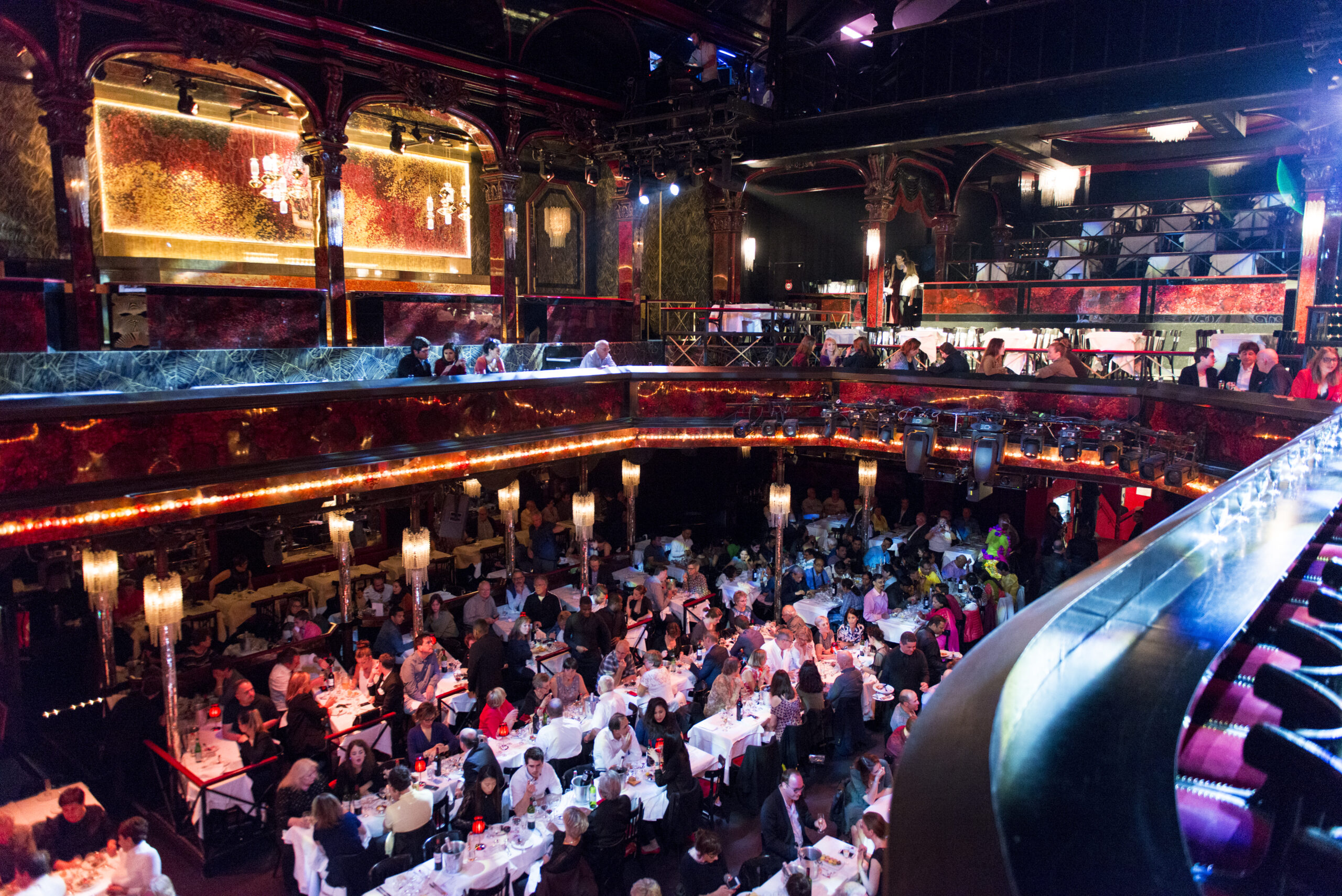
When Gustave Eiffel worked on Paradis Latin at the end of the nineteenth century, he did not design a conventional building but an immersive space dedicated to collective experience. The metal framework allows the interior volumes to open up, creating fluid circulation and a strong visual connection between stage and audience. Rather than relying on monumentality, the architecture impresses through elegance, lightness and intelligence of design. Every structural element serves visibility, acoustics and immersion.
Metal in the Service of Emotion
At Paradis Latin, metal becomes a subtle artistic language. Gustave Eiffel uses his technical mastery to create an architecture that almost disappears in favour of emotional impact. Airy lines, curves and structural transparency contribute to a feeling of openness and closeness to the performance. This approach reflects Eiffel’s rare ability to transform engineering precision into a sensory experience. Paradis Latin illustrates how technical innovation can support poetry and spectacle.
A Performance Venue Rooted in the Modernity of Its Time
At the end of the nineteenth century, Paris was undergoing intense cultural transformation. Paradis Latin emerged within this context of artistic innovation, where entertainment venues became laboratories of modernity. By contributing to the reconstruction of the cabaret, Gustave Eiffel participated in this cultural momentum, offering Paris a performance space that was resolutely contemporary for its era. Paradis Latin became a symbol of the dialogue between technical progress and artistic life.
A Discreet Masterpiece Beyond Monumental Landmarks
Unlike Eiffel’s most iconic structures, Paradis Latin does not dominate the Paris skyline. It reveals itself from within, through the experience lived by the audience. This discretion partly explains why it remains a little known masterpiece. Yet its longevity and ability to adapt through time make it a fundamental element of Parisian architectural heritage. While many buildings become static icons, Paradis Latin remains in constant motion.
Paradis Latin, Living Heritage and Contemporary Stage
Today, the architecture conceived by Gustave Eiffel continues to fulfil its original purpose. Paradis Latin hosts performances that blend tradition and contemporary creation within a space that remains true to its original spirit. The venue is not preserved as a relic of the past but as a living stage where architectural heritage actively enhances the artistic experience. This continuity gives Paradis Latin a singular and enduring cultural value.
Rediscovering Gustave Eiffel Through a Living Venue
Paradis Latin offers a different perspective on Gustave Eiffel’s work. It reveals a creator deeply attentive to use, emotion and the human dimension of architecture. Entering this venue is not about visiting a monument but about experiencing a place shaped for collective enjoyment and artistic expression. This little known masterpiece reminds us that Parisian heritage extends beyond visible landmarks and thrives in spaces where history continues to be written every night.