Paris has always been a capital of live performance. Theatres, music halls, cafés concerts and cabarets shaped the city’s cultural and nightlife scene for centuries. Yet behind the iconic venues that still exist today lies a more fragile history of legendary performance spaces that have disappeared. These venues, now gone, played a crucial role in shaping Paris’s artistic identity. As the city evolved through urban transformation and social change, many stages vanished while a few rare places survived. Among them, Paradis Latin stands out as a living witness to this vibrant era.
A Capital of Performance in Constant Transformation
From the nineteenth century onward, Paris experienced an explosion of entertainment venues. Performance halls flourished in every district, attracting audiences eager for music, dance, comedy and freedom of expression. Many of these spaces were short lived, subject to shifting tastes, financial pressures and political decisions. Some closed their doors, others changed purpose or were demolished to make way for new developments. This constant cycle of creation and disappearance is deeply embedded in Parisian cultural history.
Lost Venues That Shaped the Parisian Imagination
Numerous theatres and cafés concerts that no longer exist once defined their time. Some hosted popular entertainment, while others showcased more experimental or provocative performances. They were places of artistic freedom, sometimes considered subversive, where performers, intellectuals and curious audiences came together. These venues gave rise to talents, artistic movements and new forms of spectacle that later shaped Parisian cabaret and music hall traditions. Though they have vanished, their influence remains deeply woven into the city’s cultural fabric.
Parisian Cabaret Between Scandal and Modernity
Cabarets in particular were often the first to disappear. Judged too bold or incompatible with changing moral standards and urban renewal, many were forced to close or transform. Yet these venues played a defining role in creating the festive, irreverent image of Paris. They fostered new aesthetics that blended dance, music, humour and spectacular staging. The French Cancan, the ultimate symbol of Parisian cabaret, was born in this fragile context of creative freedom constantly under threat.
Paradis Latin, An Emblematic Survivor of Parisian Nightlife
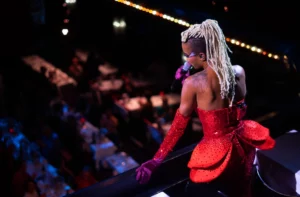
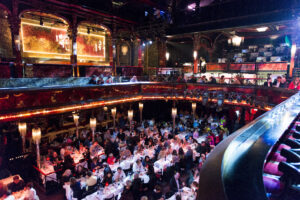
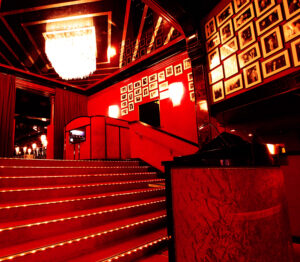
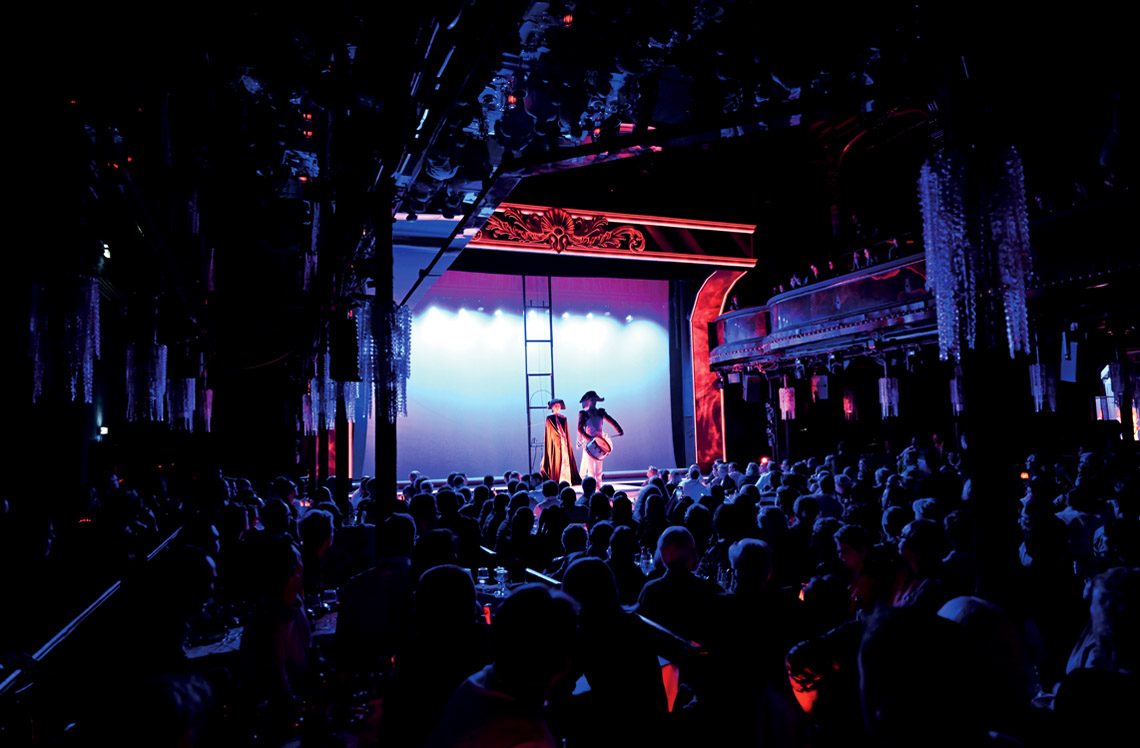
Founded in 1802, Paradis Latin is the oldest cabaret in Paris still in operation. While so many legendary venues have disappeared, it has crossed centuries by reinventing itself without ever losing its identity. Rebuilt at the end of the nineteenth century, it fully belongs to the lineage of major Parisian performance spaces that shaped the city’s nightlife. Paradis Latin embodies a rare continuity between the festive Paris of the past and the creative Paris of today, bridging cultural heritage and contemporary performance.
Keeping the Spirit of Lost Performance Venues Alive
Today, attending a show at Paradis Latin is also a way to reconnect with the spirit of vanished performance halls. The cabaret preserves a tradition of artistic boldness, technical excellence and close connection with the audience. This heritage is not presented as a static memory, but as a living, immersive experience. In a city where so many cultural landmarks have faded, Paradis Latin remains an essential point of reference.
Paris, A Living Memory of Live Performance
If Paris continues to captivate audiences with its nightlife and shows, it is because the city carries the memory of its lost legendary venues. Every stage that still stands silently tells the story of those that no longer exist. Through its exceptional longevity, Paradis Latin embodies this living memory of Parisian performance culture. It reminds us that the city’s artistic history is shaped by both disappearance and renewal, and that a few rare stages continue to keep the cultural heart of Paris alive.