Now a dazzling symbol of Paris and its legendary cabarets, the French Cancan was not always the glamorous, spectacular dance we know today. Before becoming a world-famous cultural icon, it was a provocative, subversive—and sometimes scandalous—form of expression.
At the heart of this evolution stands a venue that has played a key role in preserving and reinventing this art for over two centuries: the Paradis Latin, the oldest cabaret in Paris and a living witness to the city’s artistic history.
The Origins of the French Cancan: A Free and Provocative Dance
The French Cancan first appeared in the early 19th century in Parisian popular dance halls and open-air guinguettes, particularly in the Montmartre district. It evolved from the quadrille, a structured group dance widely practiced at the time.
Quickly, bold dancers began to transform it: high kicks, lifted skirts, exaggerated movements and explosive energy. In a society bound by strict moral codes, the French Cancan shocked as much as it fascinated. It became a powerful expression of freedom and a stage for women to assert their presence and strength.
Paris, Montmartre and the Birth of the Cabaret Myth
By the late 19th century, the French Cancan had become a true stage performance in Parisian cabarets. Iconic venues such as the Moulin Rouge helped popularize the dance, while legendary performers like La Goulue embodied its irreverent spirit.
Artists such as Henri de Toulouse-Lautrec immortalized the French Cancan in their paintings and posters, shaping the visual identity of Parisian nightlife and spreading its image across the world.
Beyond Montmartre, however, another venue played a lasting and essential role in the history of the French Cancan: the Paradis Latin.
Paradis Latin: A Historic Guardian of the French Cancan
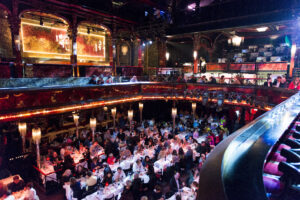
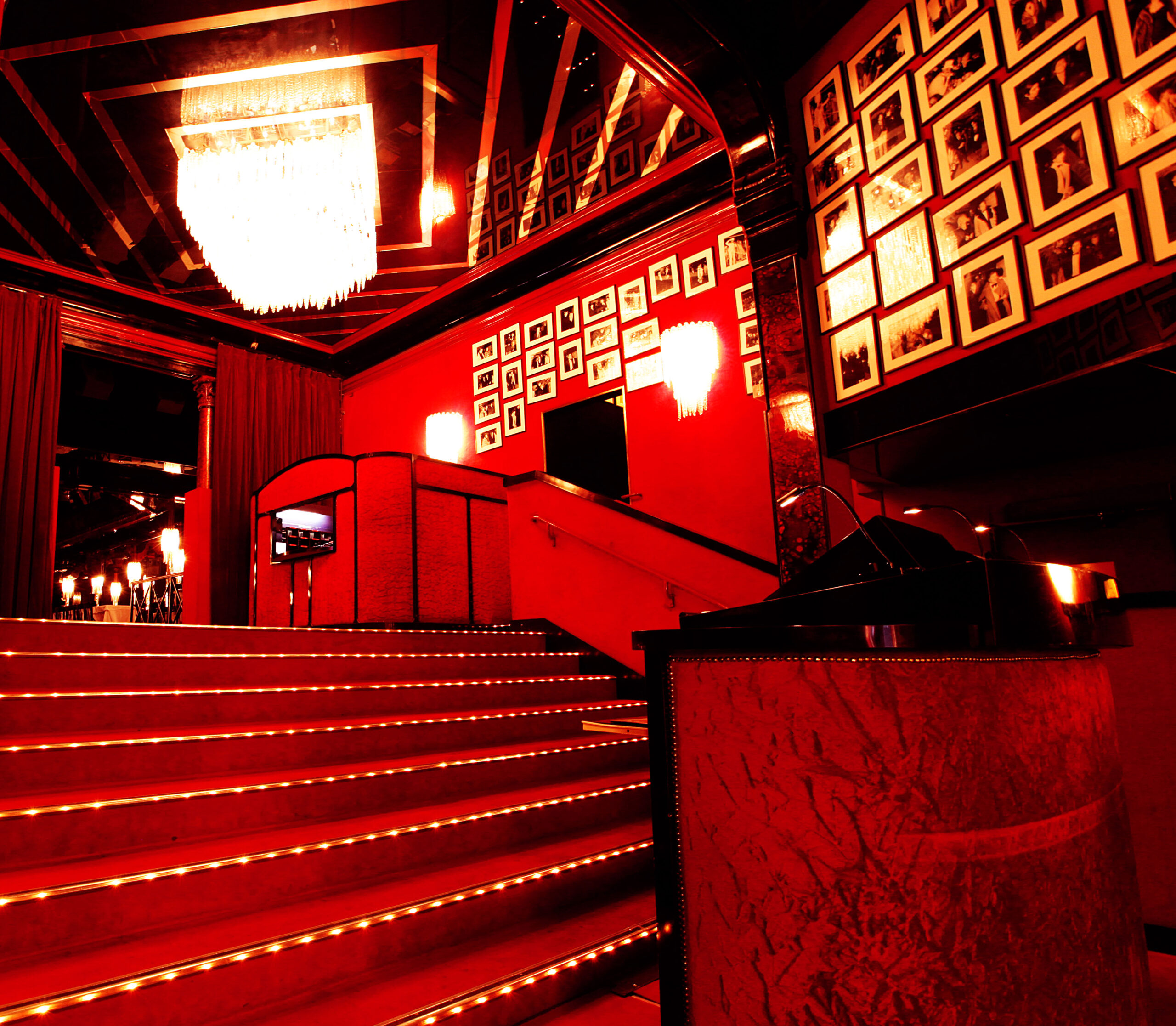
Founded in 1802, the Paradis Latin is the oldest cabaret in Paris. Rebuilt at the end of the 19th century by Gustave Eiffel, it quickly became a major landmark of Parisian nightlife and live performance.
For more than two hundred years, the Paradis Latin has accompanied the evolution of cabaret and the French Cancan. Here, the dance is not frozen in time or treated as a museum piece. It is passed on, reimagined and elevated from generation to generation.
The French Cancan at the Paradis Latin strikes a unique balance between historical heritage and contemporary creation, making the venue a true guardian of the spirit of Parisian cabaret.
A Living Tradition at the Heart of Paradis Latin’s Shows
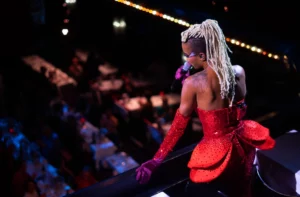
Today, the French Cancan remains a central element of the Paradis Latin’s productions. The choreography combines technical precision, physical intensity and perfectly synchronized group movement, while preserving the original spirit of freedom and audacity.
Each performance pays tribute to the pioneering dancers of the 19th century, while offering a modern, elegant and spectacular vision of the French Cancan. Costumes, music and staging come together to create one of the most powerful moments of the cabaret experience.
Why the French Cancan and Paradis Latin Continue to Fascinate the World
The French Cancan continues to captivate international audiences because it embodies the very essence of Paris: boldness, celebration, artistry and freedom. At the Paradis Latin, this dance tells a living story rooted in French cultural heritage.
More than a performance, the French Cancan becomes a journey through the history of Parisian cabaret, brought to life on stage by an exceptional venue that has been celebrating this art form for over 200 years.