Café Theatres: Intimate Spaces for Creative Freedom
Café theatres emerged as more accessible and spontaneous alternatives to traditional theatres. Usually located in modest venues connected to cafés and lively neighbourhoods, they encouraged direct interaction between performers and audiences. Comedians, singers, writers and young actors found in these spaces an environment where experimentation and artistic freedom could flourish. The atmosphere was intimate, lively and sometimes improvised, creating a closeness that left a lasting mark on French live entertainment culture.
Cabaret Between Performance and Art of Living
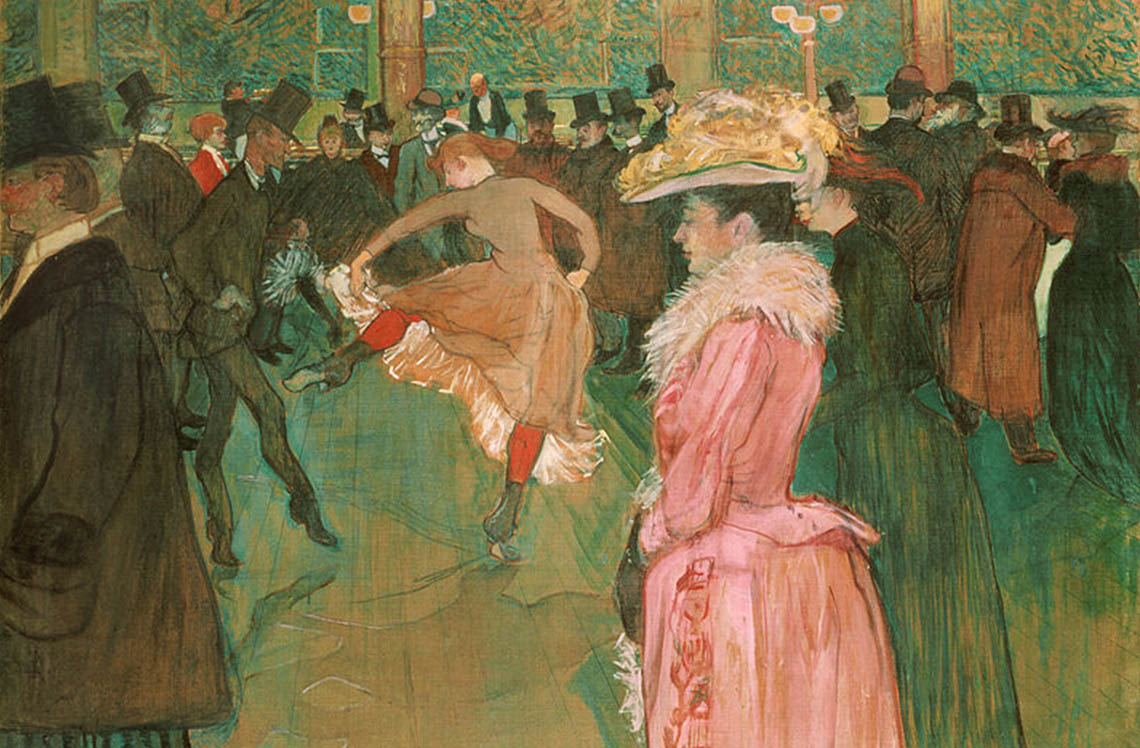
Unlike café theatres, cabaret quickly developed into a more immersive and spectacular form of entertainment. An evening at a cabaret became more than a stage performance. It evolved into a complete experience combining music, dance, gastronomy and visual staging. Parisian cabarets gradually shaped a distinct cultural identity associated with celebration, elegance and artistic freedom. The French Cancan, musical revues and large choreographed ensembles became defining symbols of Parisian cabaret.
The Influence of Music Hall on Performance Venues
During the twentieth century, music hall culture profoundly transformed the codes of live entertainment. Venues became larger, productions more ambitious and performances increasingly visual. Lighting, monumental sets and large scale choreography redefined the audience experience. This evolution brought some cabarets closer to international stage productions while preserving the festive spirit and emotional proximity inherited from café theatres.
Paris, Historic Capital of Cabaret
Paris played a central role in this transformation. The city gradually became the heart of cabaret and revue entertainment, attracting performers, musicians and audiences from around the world. Parisian cabarets contributed to the international influence of French culture and shaped the image of a bold, creative and vibrant nightlife scene. This reputation continues today, making cabaret one of the strongest symbols of Parisian cultural life.
Paradis Latin, Heir to Multiple Live Entertainment Traditions
Paradis Latin perfectly illustrates the evolution of performance venues in France. Founded at the beginning of the nineteenth century, it carries within it the heritage of popular theatre, Parisian cabaret and music hall culture. Its history reflects the gradual transformation of live entertainment into more immersive and spectacular experiences. Today, Paradis Latin combines dining, artistic performance, dance and contemporary staging while preserving the convivial spirit and shared emotion of early entertainment venues.
Venues That Continue to Evolve with Their Time
Performance venues continue to evolve alongside audience expectations. Modern spectators increasingly seek immersive, emotional and interactive experiences. Contemporary cabarets now incorporate visual technologies, modern choreography and innovative staging while maintaining their historical roots. This ability to adapt explains why cabaret continues to captivate international audiences.
A Living History of Entertainment
From intimate café theatres to spectacular cabaret stages, the evolution of performance venues in France tells a story of constant creativity and reinvention. These spaces have accompanied the country’s social, artistic and cultural transformations while remaining dedicated to bringing audiences together through shared emotion. Venues such as Paradis Latin continue this tradition today by connecting heritage and contemporary creation in the heart of Paris.