Introduction
Today, Pilates is everywhere: fitness studios, gyms, mobile apps. What people often overlook is that this method—now widely associated with wellness and yoga—originated in a completely different world: the New York dance studios of the 1920s. Adopted very early on by the greatest classical and modern dancers, the Pilates method gradually grew into a cornerstone of physical conditioning for performing artists, including those who grace the stages of Parisian cabarets.
Here is a look back at the history of an encounter that transformed dance and continues, a century later, to support cabaret performers in their training.
Who was Joseph Pilates, the Inventor of the Method ?
Joseph Hubertus Pilates was born in 1883 in Mönchengladbach, Germany. A sickly child suffering from asthma and rickets, he dedicated his youth to building a strong body through gymnastics, boxing, acrobatics, and bodybuilding. As an adult, he became a circus performer and earned a living posing as a model for anatomical charts.
It was during World War I, while interned on the Isle of Man in Great Britain, that he began laying the groundwork for what would become his method. He helped rehabilitate bedridden injured soldiers by designing exercises that could be performed in bed. He named his system “Contrology,” defining it as a discipline where the mind controls the body.
In 1926, Joseph Pilates emigrated to the United States and opened his first studio on 8th Avenue in New York City with his wife Clara. The name “Pilates” only became widely used after his death in 1967, when his disciples carried on his work.
Was the Pilates Method Created for Dancers?
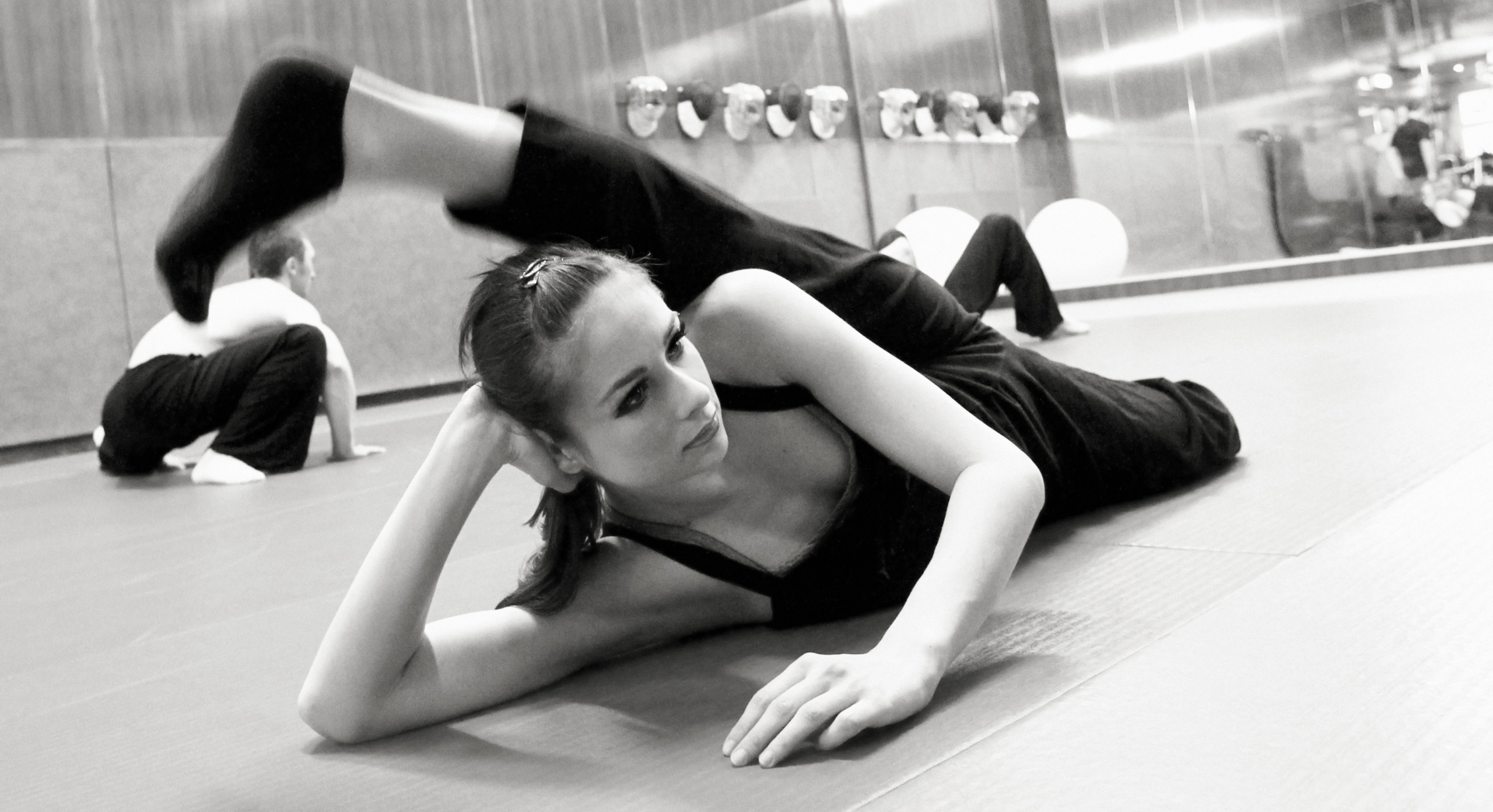
 The story is often told that way, but the reality is more nuanced. Originally, Joseph Pilates did not design his method specifically for dancers. It was primarily aimed at rehabilitation and overall physical conditioning, focused on repairing and strengthening the body.
However, as early as 1926, when the New York studio opened, the city’s artistic community began visiting: circus performers, gymnasts, actors, and above all, dancers. This rich and fruitful meeting turned Pilates into an absolute benchmark in the performing arts world.
How Did Pilates conquer the dance world ?
In the 1930s and 1940s, several major figures in American dance discovered Pilates and made it part of their daily training:
- George Balanchine, co-founder of the New York City Ballet, sent his dancers to work at Joseph Pilates’ studio
- Martha Graham, a pioneer of modern dance, integrated the method into her own studio.
- Ted Shawn, an iconic choreographer, encouraged his students to train in it.
these three names are enough to anchor Pilates in the culture of dance. The method quickly became recognized for its three great virtues among dancers : it allows for faster recovery from injuries strengthens deep muscles without overloading joints and improves body awareness and precision of movement.
Why cabaret dancers rely on Pilates ?
Cabaret dancers face a very specific physical challenge: night after night, they perform demanding choreographies that blend French Cancan, jazz and contemporary dance with acrobatics, often in high heels and heavy costumes. Their physical preparation must build flexibility, endurance, power and precision all at once.
Pilates meets these requirements perfectly. It strengthens the deep muscles of the core and back, which are essential for holding a strong posture on stage and executing the great kicks of the Cancan. It improves the flexibility of the hips and hamstrings, indispensable for the spectacular leg lifts. It develops balance and coordination, crucial for the fast and synchronised choreographies. And above all, it prevents recurring injuries, by teaching the body to position itself correctly during effort.
At Paradis Latin, dance at the heart of the show
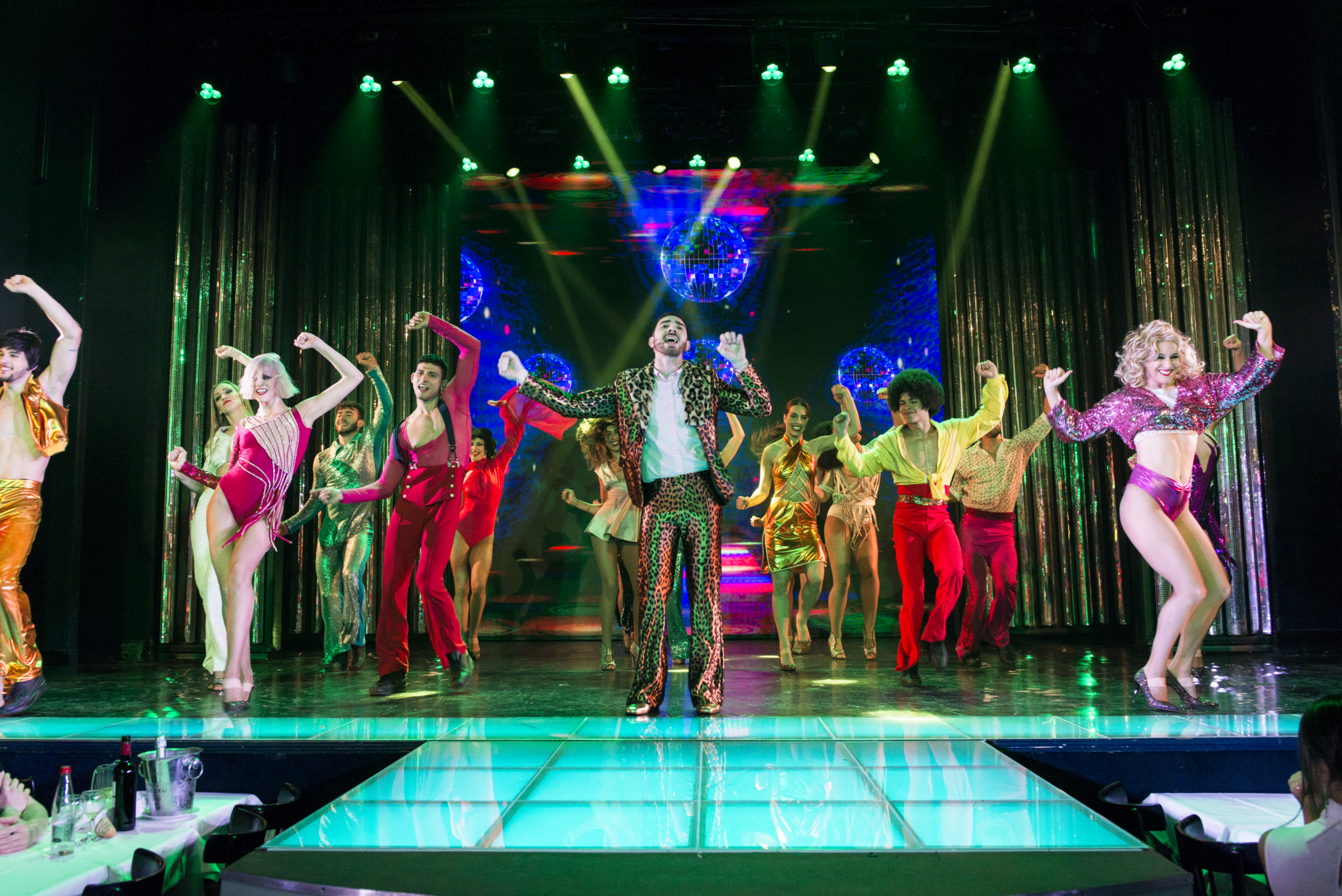
Since 1803, Paradis Latin has placed dance at the very heart of its artistic identity. On the stage of the oldest cabaret in Paris still in operation, a team of professional dancers performs the revue L’Oiseau Paradis every evening, directed by Kamel Ouali. A demanding performance, combining several styles of dance and requiring a high level of physical preparation.
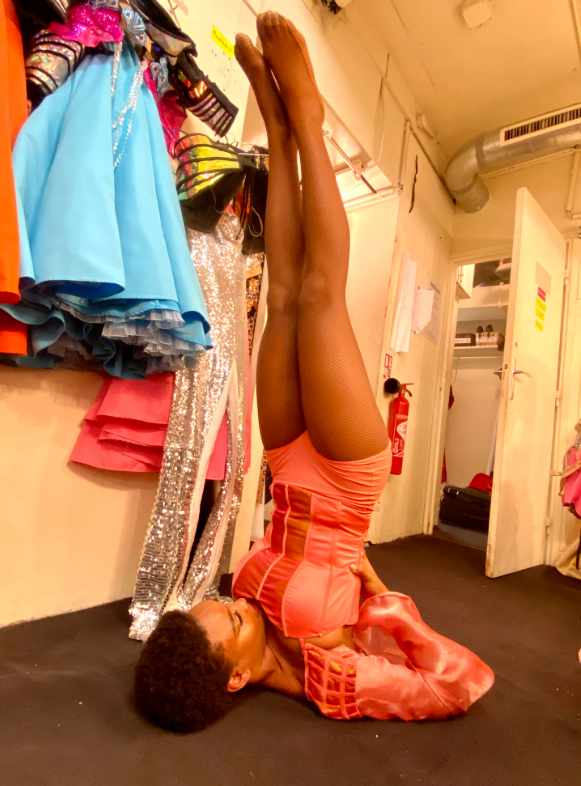
As in the great dance companies and the grand stages around the world, the Pilates method is one of the tools these artists use to keep their bodies at their peak, season after season. A quiet legacy, inherited from the New York studios of the 1920s, which continues to live on every night on the Parisian stage.